

ADHD Support for Adults and Children in Manchester
Helping you or your child feel calmer, more focused and more in control
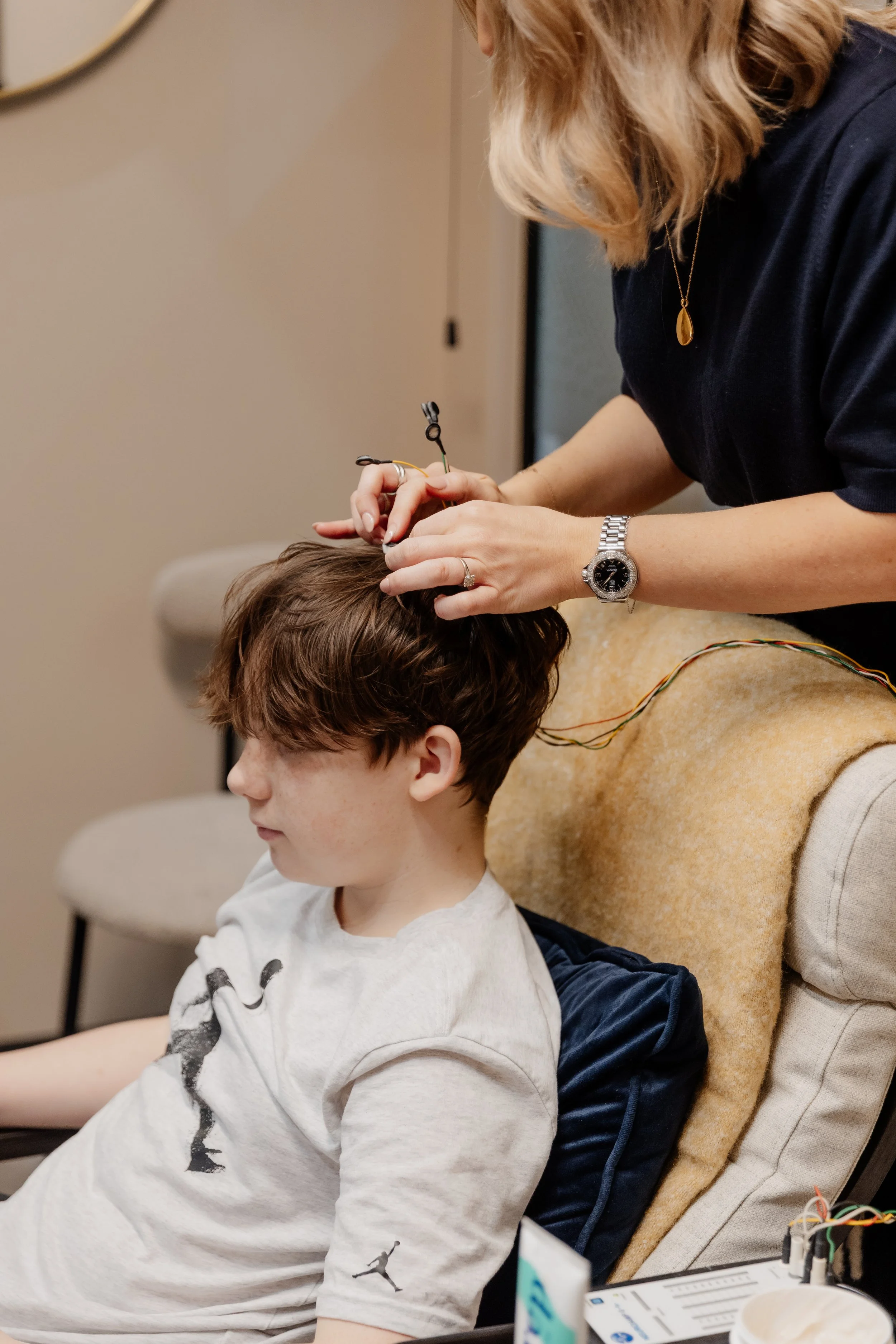

If this feels familiar…
• You struggle to focus or stay on task
• Your mind feels busy or constantly active
• You start things but find it hard to finish them
• You feel overwhelmed more easily than others
Or for your child:
• They struggle with attention or following instructions
• Their behaviour feels impulsive or difficult to manage
• They become frustrated or overwhelmed quickly
• They find it hard to settle, switch off, or sleep
ADHD isn’t just about attention - it’s about how the brain regulates focus, energy and responses
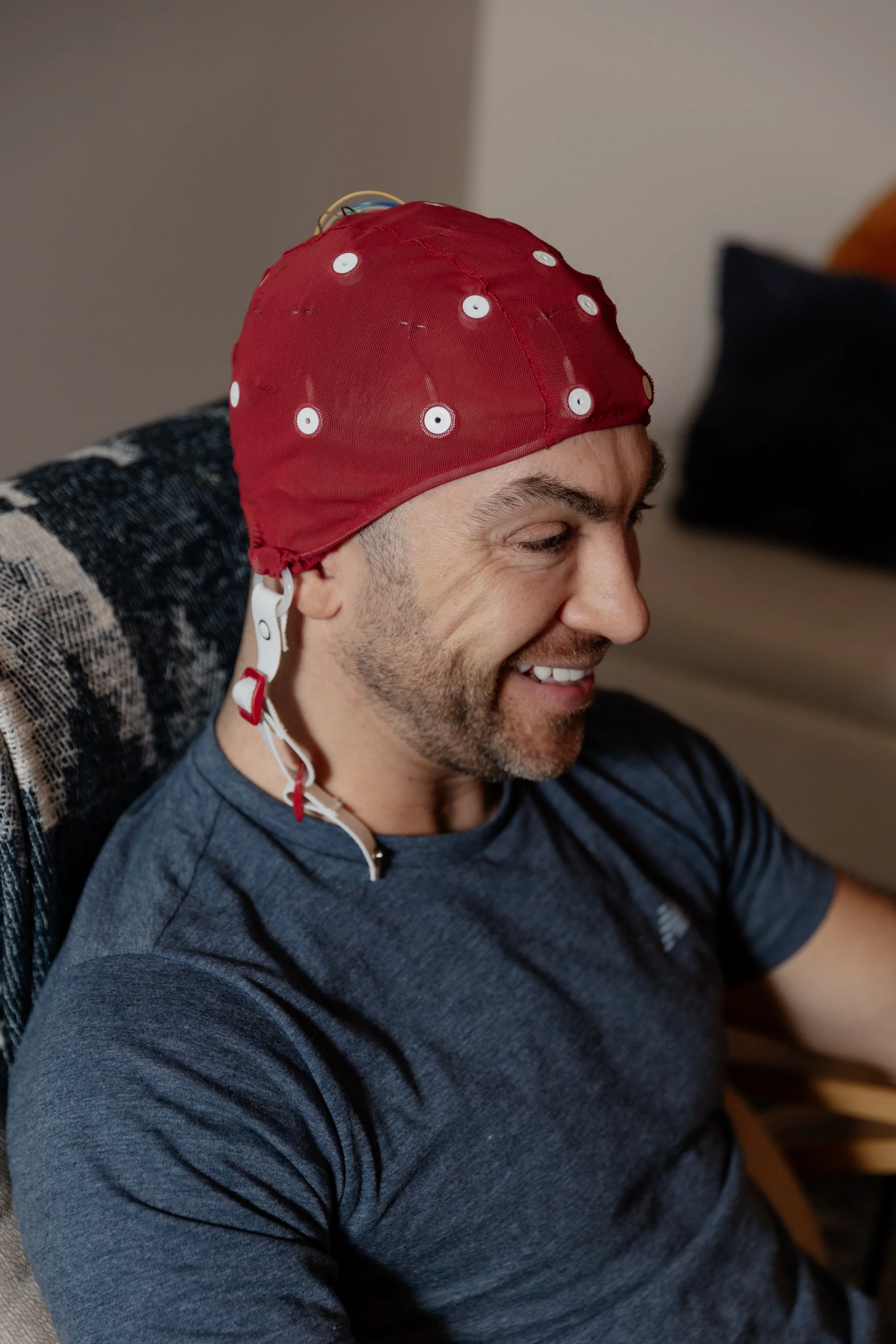
It’s not just about trying harder
Many people with ADHD have been told to:
• Focus more
• Try harder
• Be more organised
• Buy a diary or write a to-do list
• Calm down
But this just doesn’t work, and often results in more anxiety, frustration, and low self-esteem.
Because ADHD isn’t just about effort.
It’s about how the brain is functioning

Understanding how the brain is working
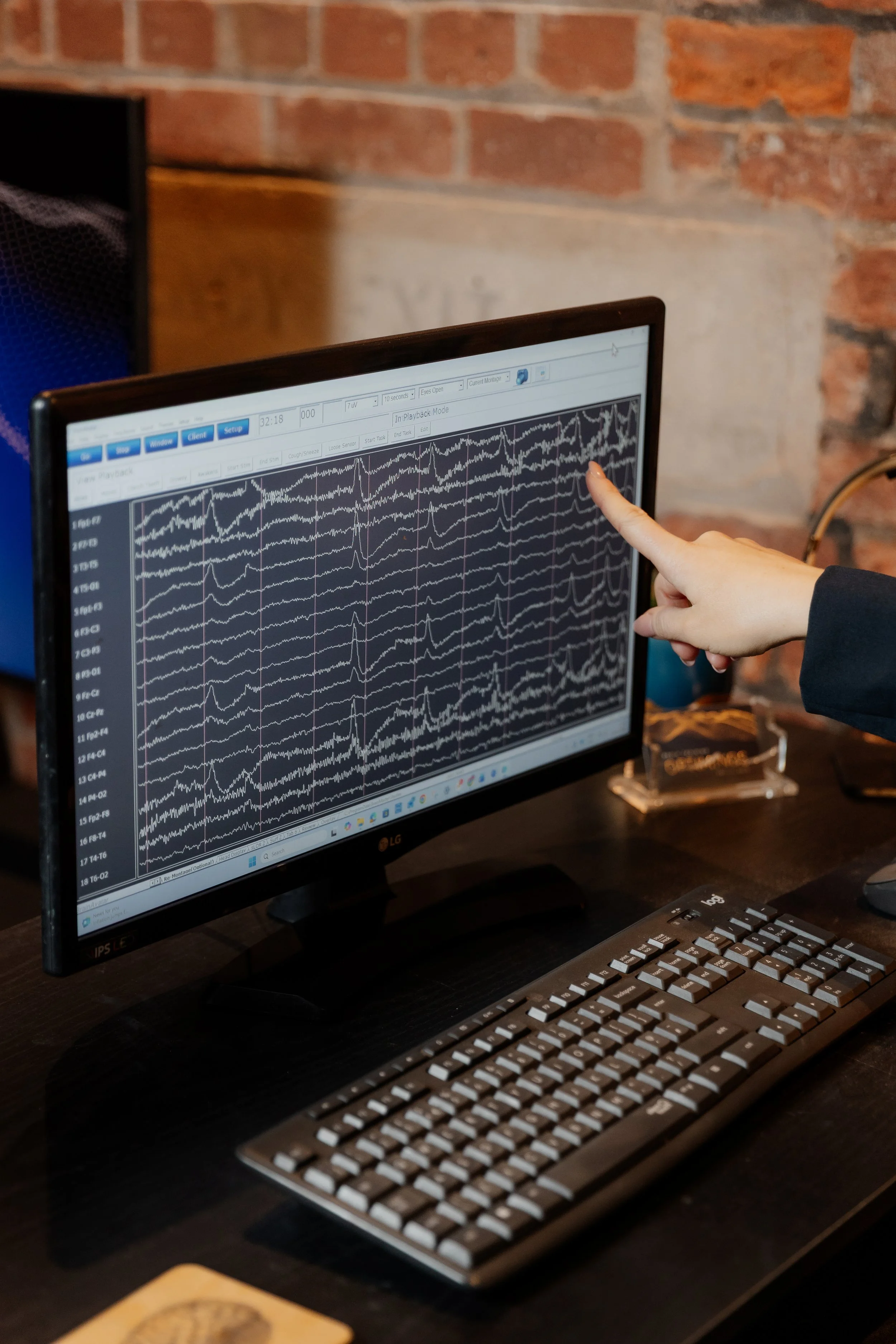
A QEEG brain map helps us understand how your ADHD brain is functioning.
It can show:
•Areas that are overactive or underactive
• Patterns linked to attention, focus and regulation
• How the brain responds to stress
For many people, this is the first time things start to make sense.
How neurofeedback can help
Neurofeedback works directly with the brain to help it learn a different way of functioning.
Over time, many people with ADHD notice:
• Improved focus and attention
• Feeling calmer and less reactive
• Better sleep
• More consistency in energy
• Greater ability to stay present
What our clients with adhd often say
“I can focus without forcing it”
“Things feel less overwhelming ”
“I’ve been so much less reactive”
Recent studies highlight the effectiveness of neurofeedback as an alternative treatment for ADHD, particularly in children. A review of randomized controlled trials indicates that protocols focusing on reducing theta waves and increasing beta waves have shown promising results. For instance, 30 to 40 sessions of theta/beta ratio neurofeedback were found to be as effective as standard medication, such as methylphenidate, in alleviating inattentiveness and hyperactivity. Additionally, neurofeedback has been shown to improve emotional regulation and sleep quality, further supporting its role in managing ADHD symptoms. For links to research papers click here.
WHAT DOES THE RESEARCH SAY?
If you're curious about QEEG brain mapping or neurofeedback for ADHD but aren’t quite sure where to start, this is a gentle first step.
a simple next step

WANT TO FIND OUT MORE?

-
If you or your child is struggling with ADHD symptoms, QEEG brain mapping and neurofeedback at Optiminds, Manchester can provide a personalised, non-invasive, and medication-free option. Schedule a free telephone consultation today to learn more about how QEEG brain mapping and neurofeedback can help improve your symptoms of ADHD.
-
Neurofeedback is a non-invasive, medication-free therapy that uses real-time monitoring of brain activity to train the brain to function more efficiently. During a neurofeedback session, sensors are placed on the scalp to measure brainwaves. Individuals engage in activities (like playing a game or watching a video) that give feedback based on their brain's activity. When the brain produces optimal brainwave patterns, the activity continues smoothly, rewarding the brain and promoting lasting changes in brain function.
-
A QEEG is a brain mapping tool that measures electrical activity in different parts of the brain, identifying areas where brainwave patterns are dysregulated.



IMPORTANT TO NOTE
At Optiminds, we do not diagnose or treat any medical or psychological conditions. Our services, including neurofeedback, are designed to support individuals by addressing specific symptoms related to attention, focus, mood, stress, sleep, and overall cognitive function. While neurofeedback has been shown to benefit many individuals with various challenges, our work focuses on improving wellness and self-regulation rather than providing medical or psychological treatment.
We encourage all clients to consult with a licensed healthcare provider for any diagnosis or treatment of medical or psychological conditions. Neurofeedback is intended to complement—not replace—any existing care plans or therapies under the guidance of your healthcare team.