
What Does a qEEG Brain Map Actually Show? (And What It Means for You or Your Child)
You may have heard of qEEG or “brain mapping”… but what does it actually tell you?
Does it diagnose something?
Does it explain why you feel the way you do?
Can it help make sense of what’s been going on for you - or your child?
The short answer is:
It doesn’t label you. It helps you understand how your brain is functioning
A simple way to think about it
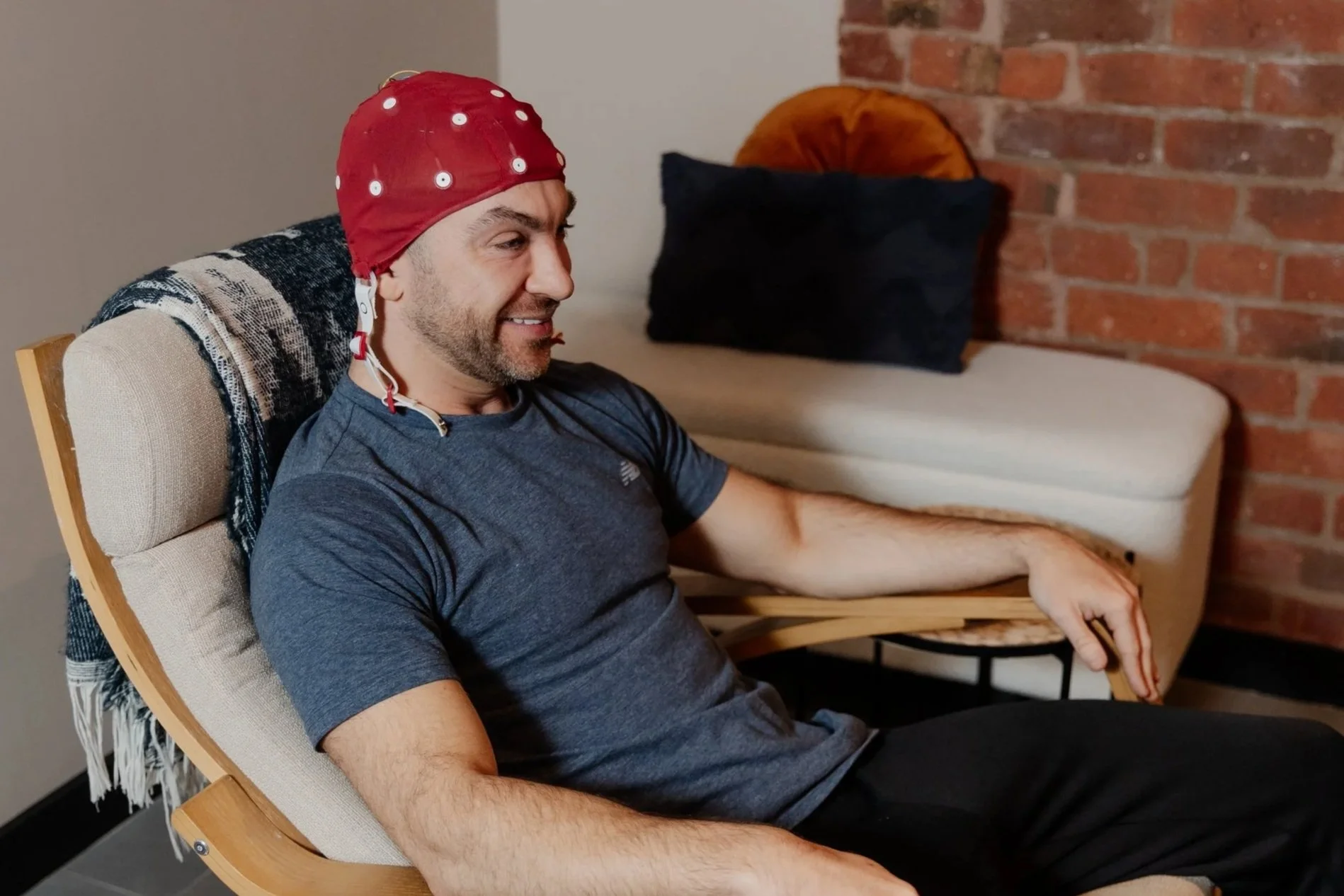
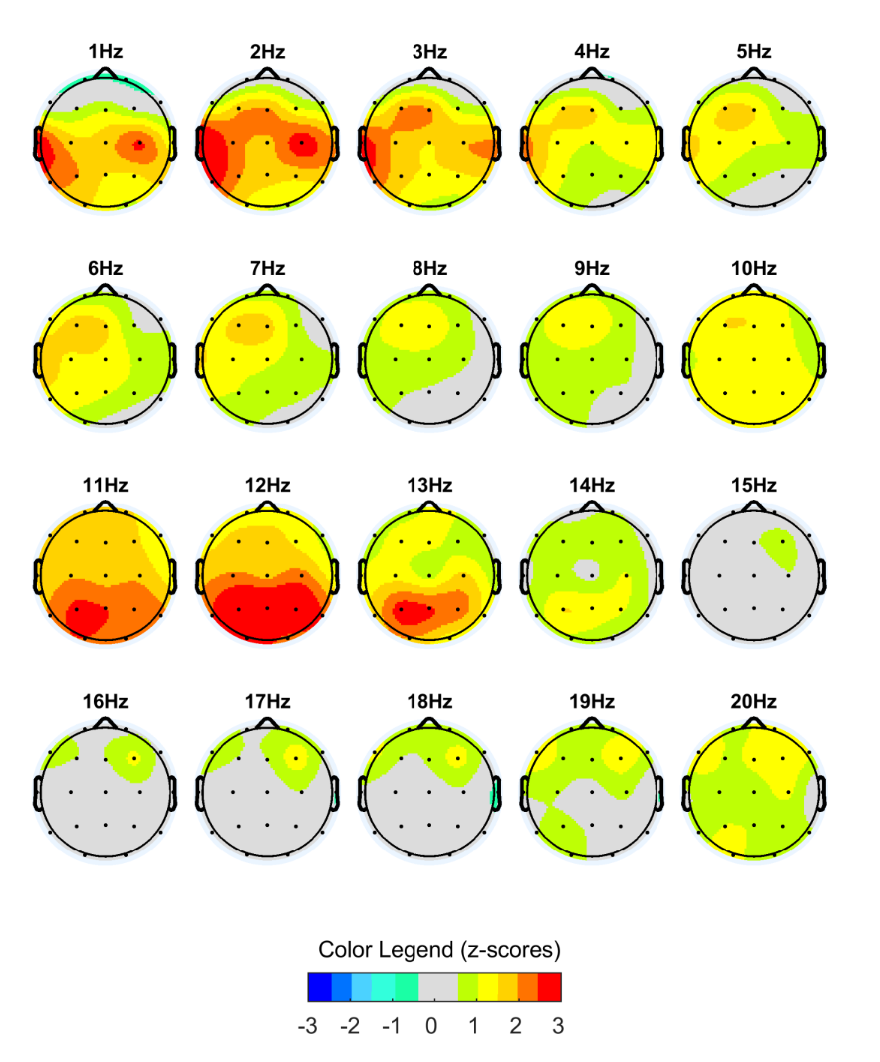
A QEEG brain map is a bit like a map of activity in the brain.
It shows:
How different areas of the brain are working
How they communicate with each other
Where activity might be higher or lower than expected
It’s not about what’s “wrong”.
It’s about understanding the patterns your brain is using.
And those patterns often line up very closely with what you experience day to day.
What kinds of patterns can it reveal?
This is where it becomes meaningful.
A QEEG brain map doesn’t just show data - it helps explain real-life experiences.
🧠 Thinking and focus
You (or your child) might experience:
Difficulty concentrating or staying on task
Brain fog or feeling mentally slow
Zoning out or losing track of things
Feeling easily distracted
⚡ Energy and sleep
You might notice:
Feeling tired but unable to switch off
Poor or restless sleep
Low energy during the day
Big fluctuations in energy levels
💬 Reactions and behaviour
This can look like:
Going blank under pressure
Overthinking or looping thoughts
Reacting quickly or shutting down
Feeling overwhelmed more easily than expected
(If this sounds familiar, you can read more about why this happens here → why your brain goes blank under pressure blog)
How this can look different in adults and children
The underlying patterns in the brain are often similar - but they show up differently depending on age.
In adults, this might look like:
Stress or burnout
Overthinking or anxiety
Difficulty switching off
Feeling stuck in certain patterns
In children, it may show up as:
Difficulty with attention or focus
Challenges with behaviour or emotional responses
Struggling to settle or sleep
Finding school or social situations more difficult
Understanding the pattern helps explain why these things are happening.
What a qEEG brain map doesn’t do
It’s just as important to know what it doesn’t do.
A QEEG brain map:
Doesn’t diagnose mental health conditions
Doesn’t label you or your child
Doesn’t tell you something is “wrong”
It’s not about putting you into a category.
It’s about building a clearer picture of how the brain is currently functioning and making sense of your lived experience.
Why people often find QEEG BRAIN MAPPING helpful
For many people, the biggest shift isn’t immediate change.
It’s understanding.
People often say things like:
“It finally makes sense”
“I can now see why I’ve been feeling like this”
“So I’m not making this up!”
When you can see the pattern, it becomes:
Less personal
More understandable
More changeable
If this feels familiar
If you’ve ever felt like:
Your mind goes blank under pressure
You’re constantly overthinking
You struggle to focus or stay on task
You feel mentally exhausted, even after resting
You react quickly or shut down
You feel stuck in patterns you can’t change
Your sleep isn’t as restful as it should be
Or you’re noticing this in your child:
They struggle with attention, focus, or following through
Their behaviour feels impulsive or difficult to manage
They become overwhelmed or shut down more easily than expected
They have trouble settling, relaxing, or sleeping
Their energy levels seem inconsistent - either very high or very low
They find school or social situations more challenging than others
A QEEG brain map helps show what’s happening underneath that.
What happens next?
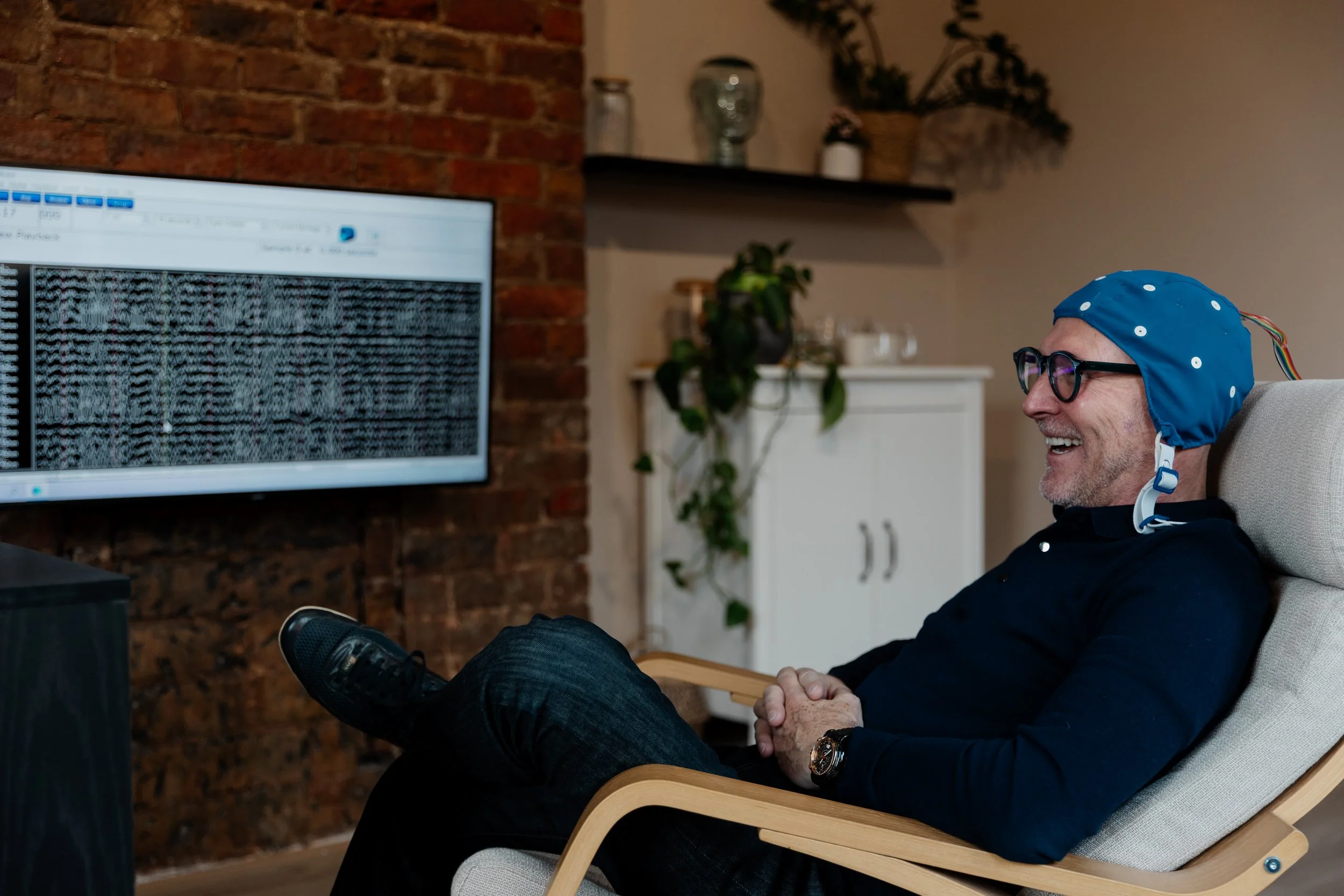
Understanding the pattern is the first step.
From there, approaches like neurofeedback work directly with the brain to help it learn a different way of functioning.
👉 Learn how neurofeedback works here
Rather than trying to think your way out of these patterns, with the help of neurofeedback the brain gradually learns:
How to stay more regulated
How to remain present
How to respond rather than react
If you’re curious about your own brain
If you want to better understand what might be happening for you - or your child - the first step is simply exploring it.
👉 You can learn more about QEEG brain mapping here:
QEEG BRAIN MAPPING IN MANCHESTER
Or if you’d prefer, you’re very welcome to get in touch for a conversation first.